CASE 01
Overnight supply-line failure
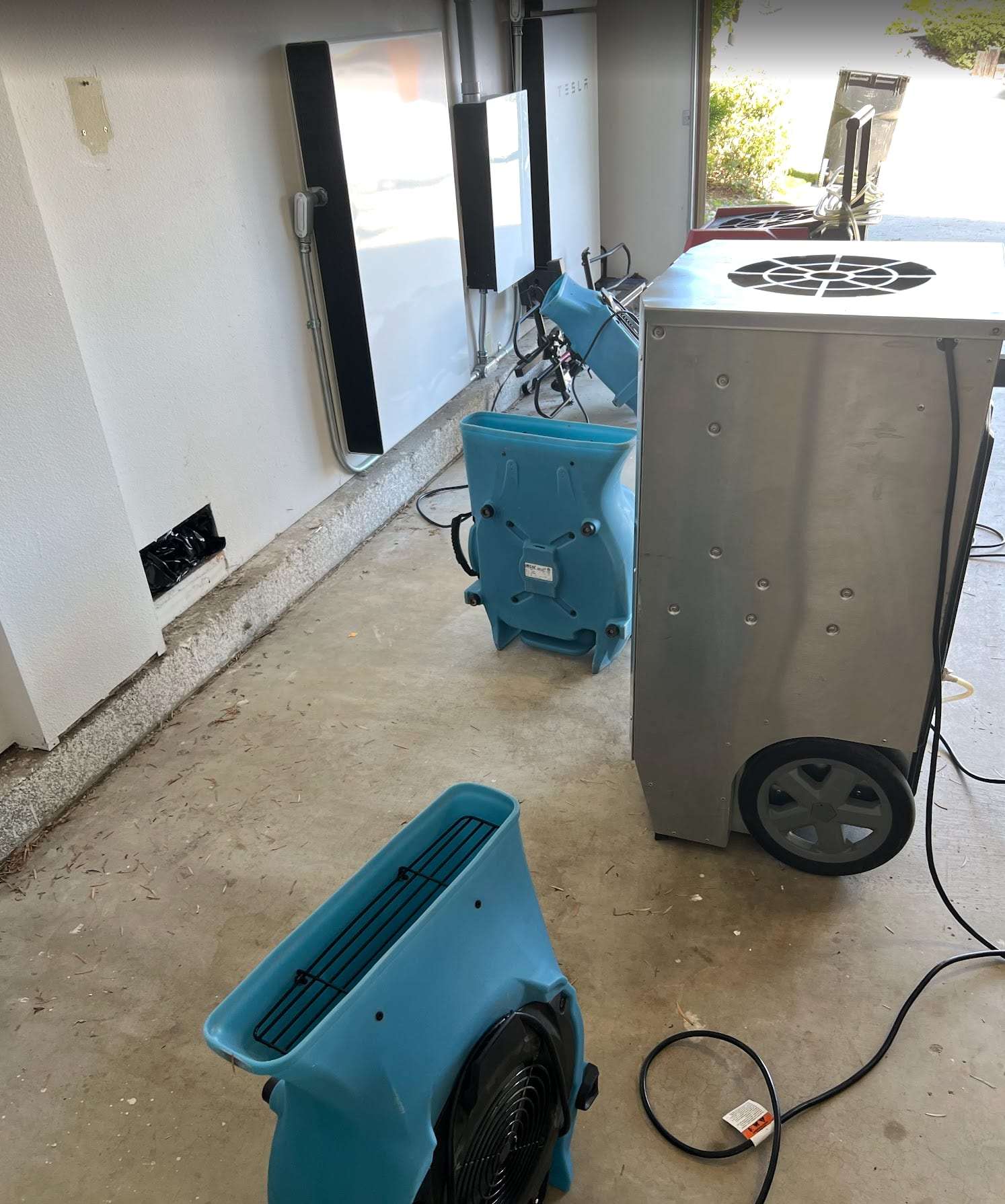
A toilet supply line bursts while the family is asleep. By morning, water has crossed the hallway and soaked into the bedroom carpet and baseboards.
● A Douglas County guide to water damage
Burst pipes, frozen lines and wet basements
What to do in the first 24 hours
Emergency extraction, drying, and repairs for Parker homes and businesses, explained step by step from the first night through the final coat of paint.
Many restoration companies serving Parker are based elsewhere in the metro. Ask about travel time, IICRC certification, and insurance before you commit.
The first 48 hours
Clean water from a broken pipe or appliance doesn't stay clean or contained for long. Within hours it wicks up drywall, spreads under flooring, and soaks into framing. After a day or two, materials that could have been dried may start growing mold or delaminating, and the job shifts from drying to replacing.
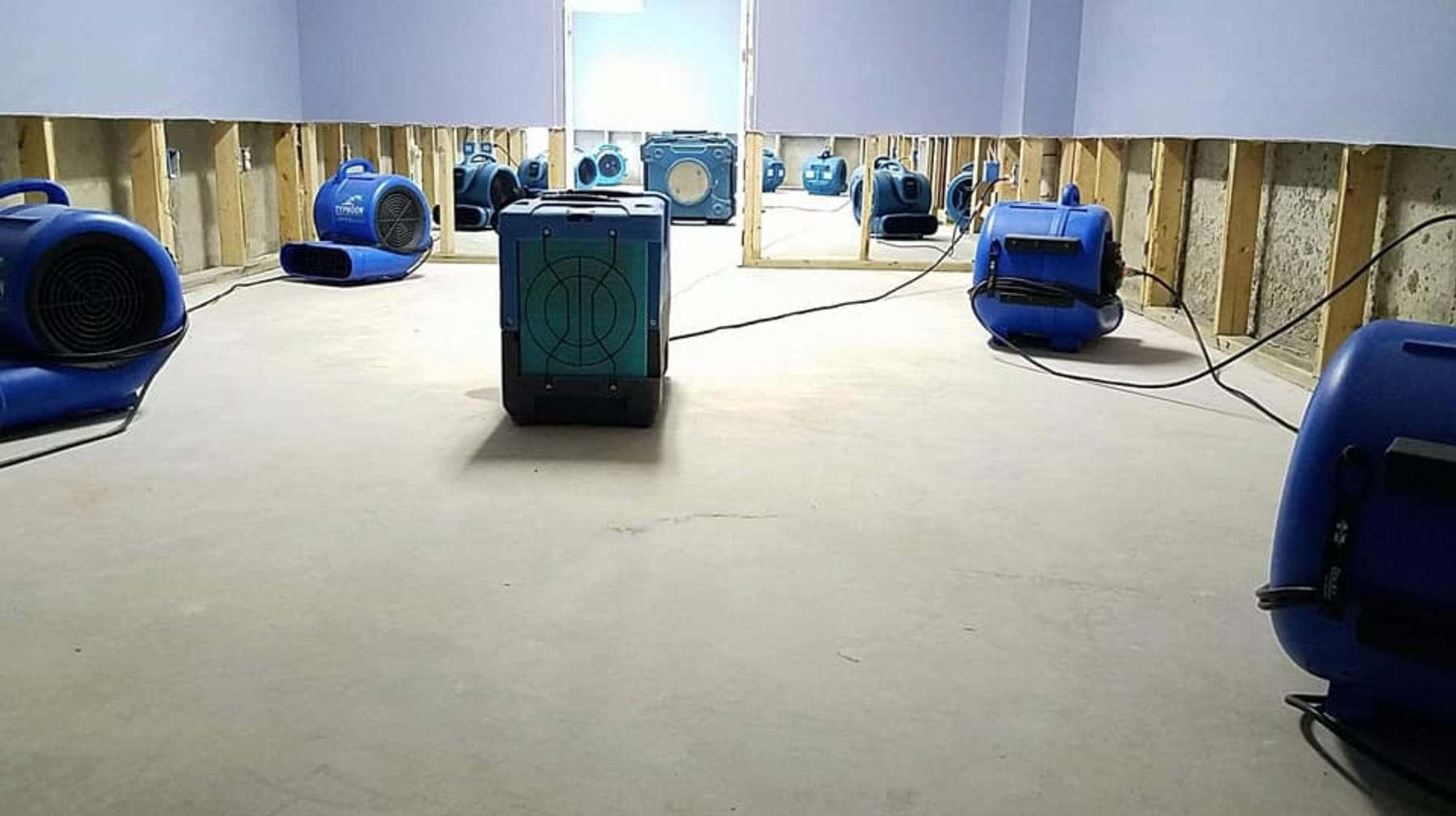
Emergency water damage restoration is about shortening that window. A good response gets standing water out, removes only what can't be saved, and puts commercial drying equipment to work. Ask early who will do the repairs, so you aren't scrambling for a second contractor after the drying crew leaves.
Parker grew from a small railroad and ranching town into one of Douglas County's larger communities, with most of its housing built in subdivisions from the 1990s onward. Many homes have finished basements, large irrigated lawns, and sprinkler systems, all of which add potential water sources. Cherry Creek runs north through town on its way toward the Denver area.
Parker's weather is typical of the southern metro: freezing nights much of the winter, spring snowstorms, and summer thunderstorms. Those conditions explain many of the losses: frozen irrigation components and hose bibs in the cold months, and sump pump and window-well problems during wet spring weather.
Parker is in Douglas County; check with the Town of Parker or the county about permits before larger repairs.
Drain and winterize irrigation backflow preventers before the first hard freeze.
Test your sump pump each spring by pouring water into the pit; consider a battery backup.
Ask any company you're considering how long it realistically takes to reach Parker in winter weather.
ZIP codes served: 80134 (Parker), 80138 (Parker).
Also nearby: 80016, 80112, 80124, 80108, 80015.
Winter in Douglas County
Most Parker homes were built from the 1990s on, with finished basements, irrigation systems and plumbing in garages and exterior walls. A hard freeze rarely announces itself. The damage usually follows a pattern:
A plumber fixes the pipe. A restoration company removes the water, dries the structure and repairs what was damaged. If water has reached drywall, flooring or the basement, you usually need both. Shut off the main valve first; the plumber and the restoration company can often work the same day.
Every loss is assessed on site, but most Parker water emergencies follow the same core steps:
| Step | Stage | What happens |
|---|---|---|
| 01 | Make it safe | Confirm the water source is off, check electrical hazards, and identify any contamination. |
| 02 | Extract | Remove standing water with extraction equipment; the more water removed now, the faster drying goes. |
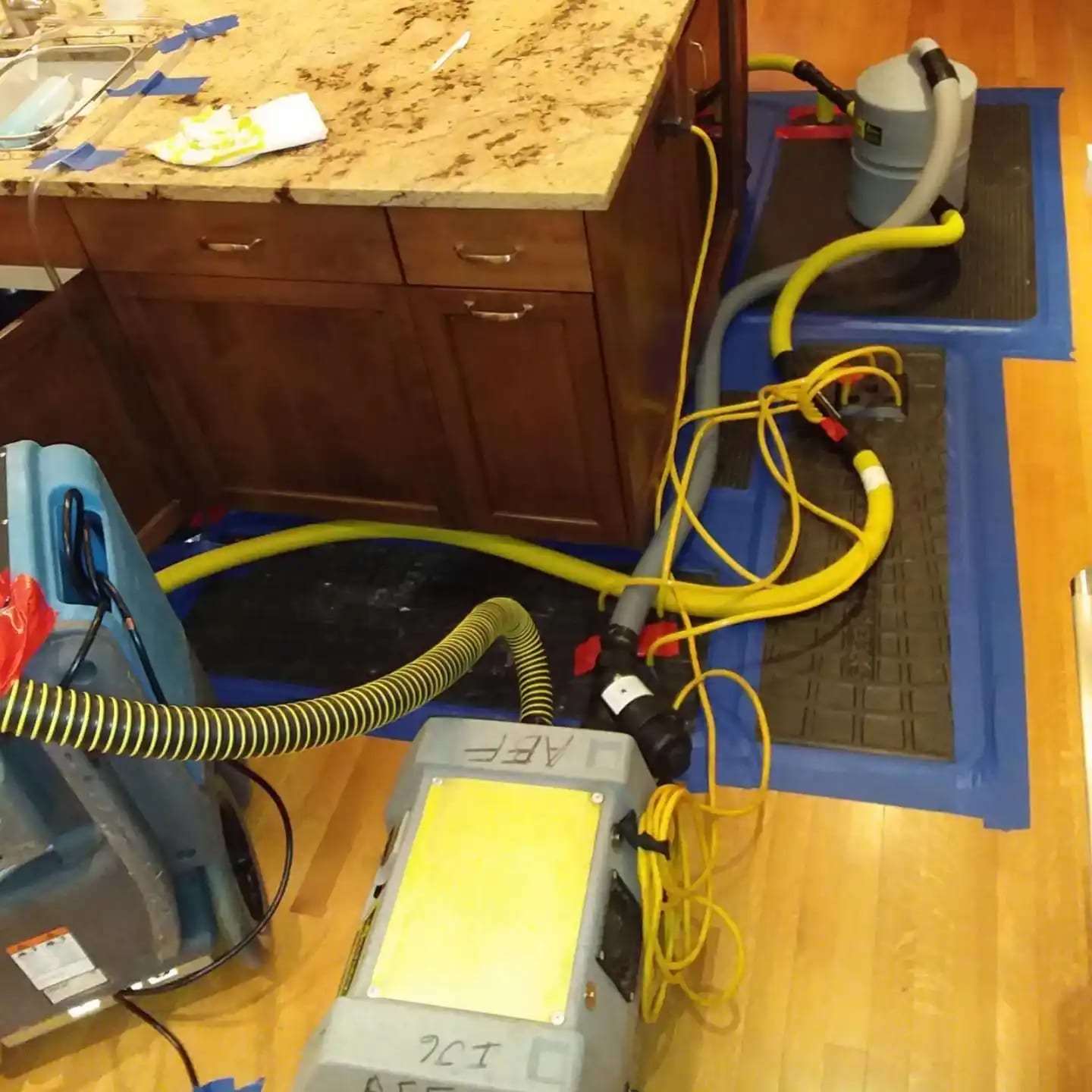
| 03 | Dry and dehumidify | Run air movers and dehumidifiers sized for the space, opening cavities where moisture is trapped. |
| 04 | Verify | Measure moisture daily and document progress until materials reach drying goals. |
| 05 | Restore | Complete repairs, from drywall and paint to flooring and trim, by the same company or a separate contractor. |
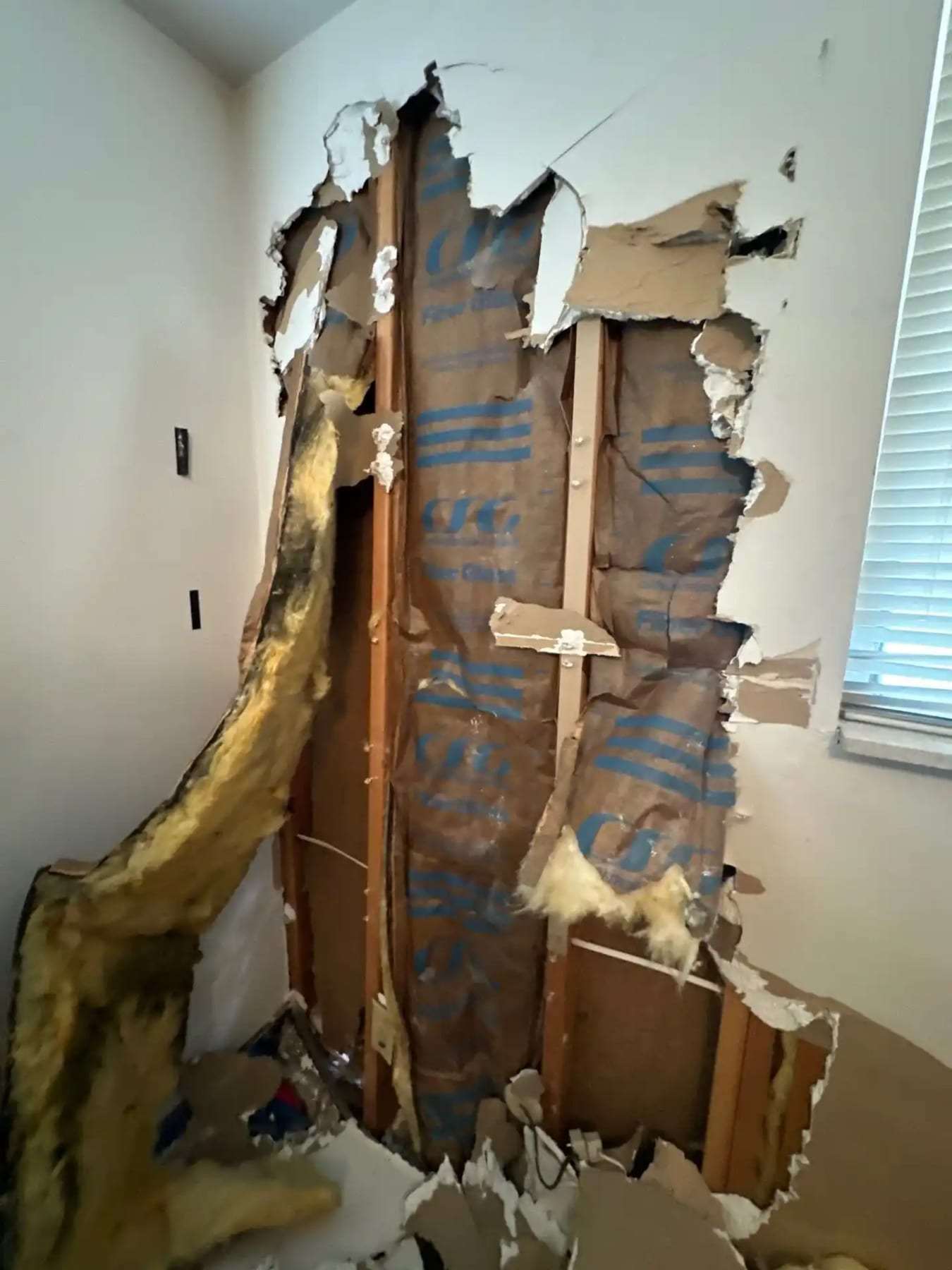
Your insurance company decides what is covered. What you and the restorer can control is the record. Good documentation shows where the water came from, when it started, and what was wet.
No restoration company can promise what a policy will pay. Ask your carrier about deductibles and coverage limits.
CASE 01
A toilet supply line bursts while the family is asleep. By morning, water has crossed the hallway and soaked into the bedroom carpet and baseboards.
CASE 02
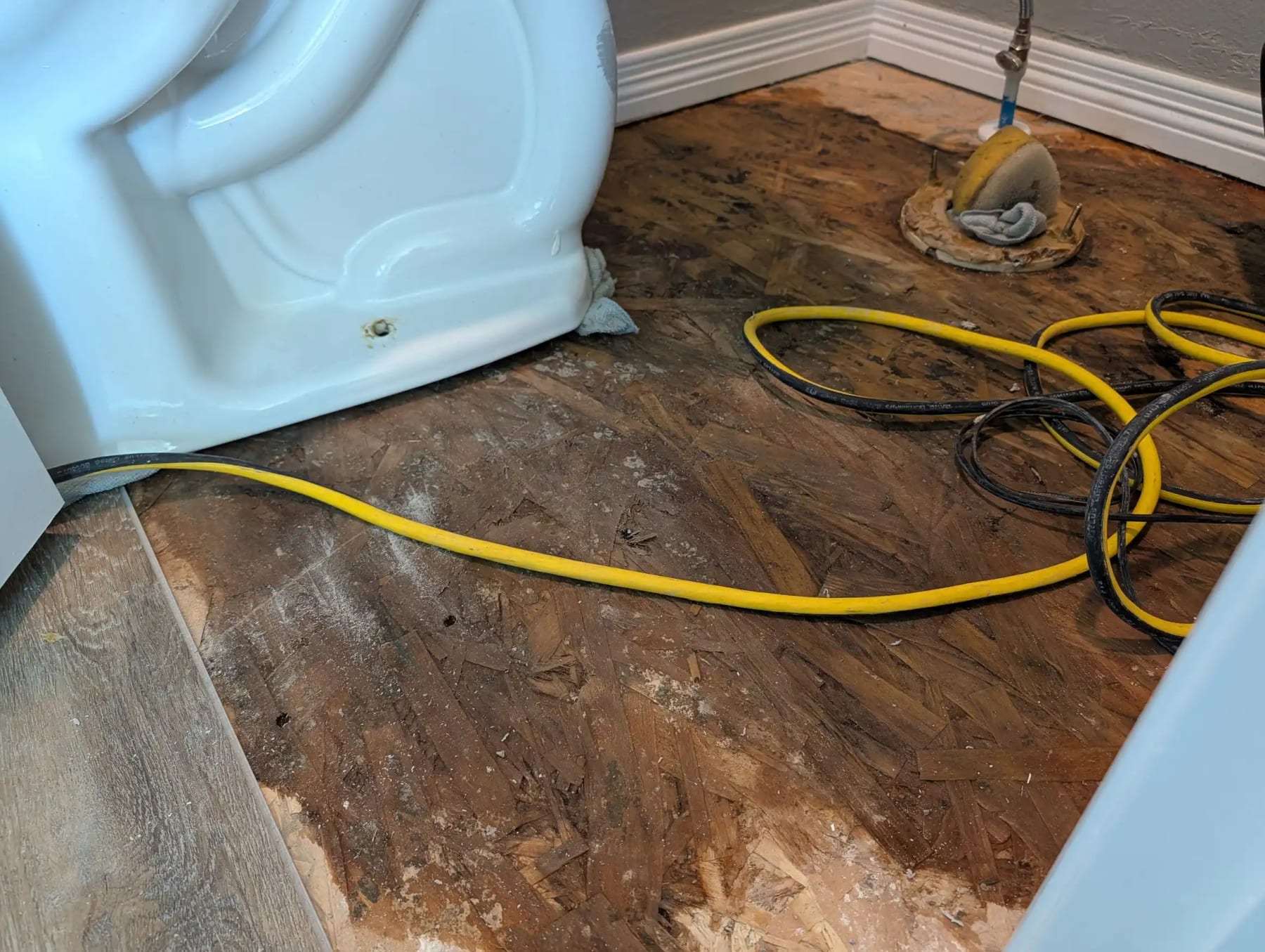
A sprinkler backflow preventer isn't drained before a hard freeze; a cracked line inside the wall leaks into the basement when the system is turned back on.
CASE 03
During a spring storm the sump pump stops, and groundwater rises through the basement floor of a finished family room.
Longer guides, planning tools and worked examples for Parker homeowners.
Each answer here takes one problem Parker households and businesses actually run into, from a sump pit that quits during spring snowmelt to a second-floor laundry leak, and explains the cause, the warning signs, what to do first, and what to ask before anyone starts tearing out drywall or signing paperwork..
Practical worksheets to use during and after a water loss: a photo and inventory checklist for your insurer, a daily drying log, a glossary of restoration terms, questions to ask before signing paperwork, a way to compare two estimates, and a Douglas County seasonal calendar for preventing the next leak..
These are illustrative examples, not real jobs or customers.
Parker sits among very different places: wooded hillside lots, master-planned subdivisions, a historic main street, rural acreage on wells and septic, and dense new development to the west and north.
Stop the source if you can do so safely, turn off power to affected areas from a dry location, move valuables off the floor, take photos, and call a restoration company. Avoid walking through water near outlets or appliances.
Extraction removes far more water, far faster, than evaporation. Every gallon left behind has to be evaporated and captured by dehumidifiers, which adds days of drying and increases the chance of secondary damage.
The amount of water, how long it sat, the materials involved (hardwood and plaster are slower than drywall), temperature, humidity, and how quickly drying equipment was set up.
Yes. Photos, moisture logs, and itemized estimates help an adjuster understand the cause and extent of damage. Many carriers use Xactimate, so ask whether the estimate can be written in that format.
Most families stay home. The equipment is noisy and some rooms may be off-limits, but moving out is typically only necessary for large or contaminated losses.
Water losses in offices, retail, and other commercial buildings often need larger equipment and planning around business hours. Ask whether a company does commercial and large-loss work before you hire it.
Ice inside a pipe splits it while it's frozen, but the ice also plugs the crack. Water only escapes once the line thaws and pressure returns, which is why many leaks appear a day or two after temperatures rise.
Not always. A connected hose traps water in the valve body, which can freeze and split inside the wall. The leak may not show until the spigot is first used in spring.
More answers about cost, scope and insurance: what to ask before hiring a restoration company.
A reputable restoration company will usually ask about the source, how long the water has been there, and which rooms are affected, then explain whether someone should come right away and what to do in the meantime. Ask for a realistic arrival time, what the first visit costs, and written documentation of the work for your insurance claim.
This form is not connected. This website is a draft preview: no business has been confirmed to receive requests, so the fields below are switched off and nothing can be sent. In an emergency, call 911.
The first hours matter most. Stop the source, photograph the damage, call your insurer, and choose a restoration company you have checked. If anyone is in danger, call 911.